The Rise of Prediction Markets Part 2
Derivatives, Commodities, or Gambling? The Regulatory Crossroads Ahead From Signal to Scrutiny In Part 1, we looked at why prediction markets have captured so much
6 min read
We published two follow up post to this blog:
April 7, 2023: California State Senate SB401 – Steering the Future of Crypto Kiosks in the Golden State
September 19, 2023: California Cryptocurrency Legislation Sets the Stage for Future Regulation of Crypto
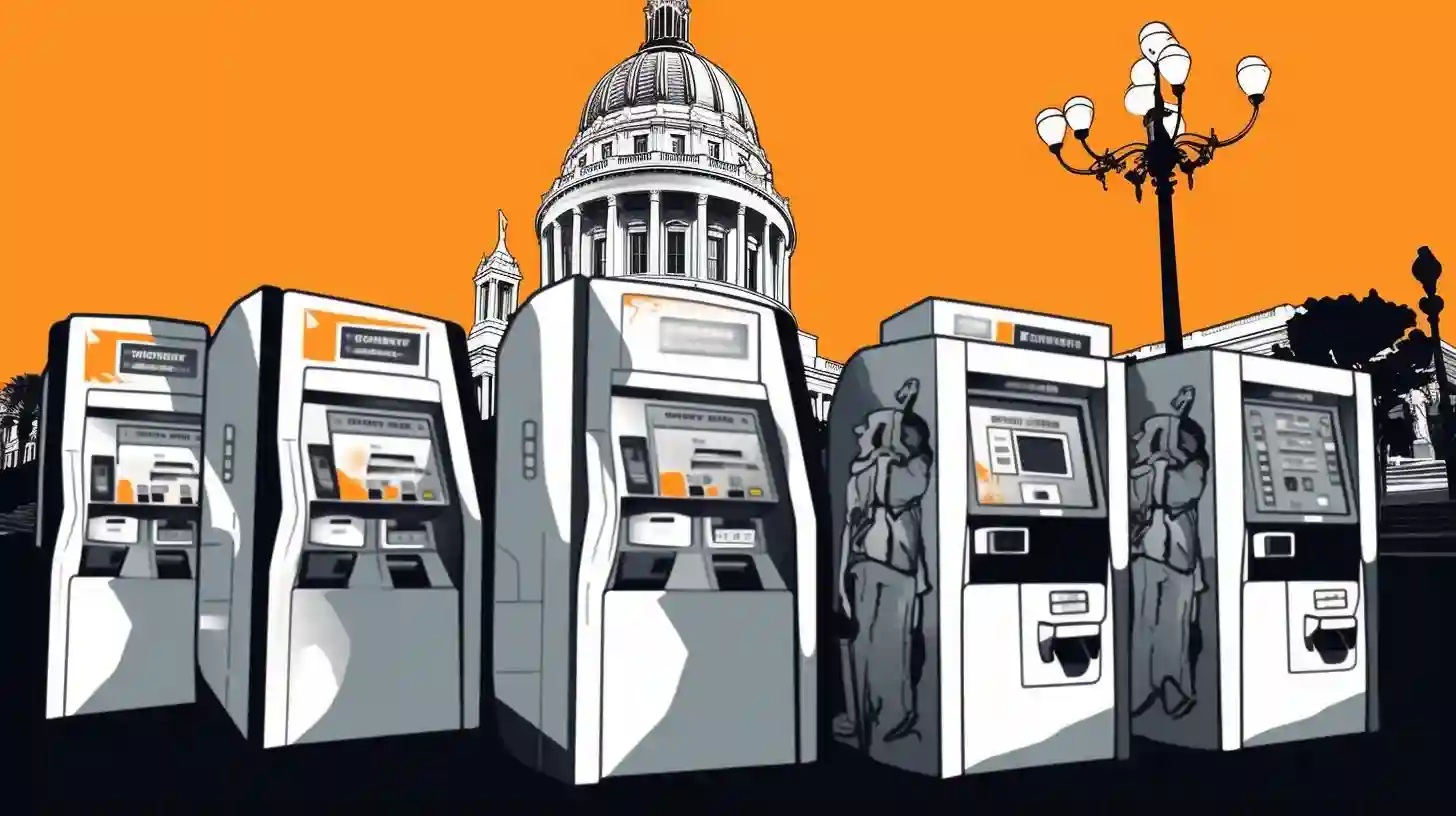
On March 29th, 2023, a hearing is set to take place for Senate Bill 401 (SB401), a bill in California that will regulate digital financial asset transaction kiosks. If passed, the bill will require the operators of these kiosks to be licensed by the California Department of Financial Protection and Innovation (DFPI), as well as comply with certain specific requirements (more on that topic in a moment)…
As introduced by Senators Toni Atkins and Monique Limón, both members of the Democratic Party, the bill could have significant implications for the crypto industry as a whole, potentially setting a precedent for other states to follow and lead to increased regulation of the industry. While the bill aims to protect consumers from fraud, scams, and other risks associated with digital financial asset transactions, it could also make it more difficult for crypto kiosk operators to do business in California, or drive them out of the state entirely. The outcome of the hearing remains to be seen and the future of digital financial asset transaction kiosks in California is uncertain.
The bill would require digital financial asset transaction kiosks to be licensed by the California DFPI, a significant change as kiosk operators are currently not required to be licensed in the state. Additionally, the bill would require kiosk operators to comply with certain set transaction limits and fee caps.
The DFPI is in a strong position to regulate Cryptocurrency ATM operators. However putting forth arbitrary blanket transaction limits or fee caps is likely not the most effective risk-based mechanism for preventing frauds and scams. We’ve been very open that we, at BitAML, welcome regulation of kiosk operators. With that said, instead of these arbitrary limits or fee caps, we believe California can and ought to lead the way on specific consumer safeguards for kiosk operators to adhere to…
Many of the above suggestions are not just palatable ideas, but are already common practice among many kiosk operators!

Indeed, the bill’s narrow definition of crypto kiosks could steer innovators into fringe business models that are possibly less regulated and thus potentially more risky for consumers. In section 3901, part “C” of SB 401, “Digital financial asset transaction kiosk” means an electronic information processing device that accepts or dispenses cash in exchange for a digital financial asset. This narrow definition of the physical machines completely overlooks new innovative alternatives.
In recent times, some crypto entrepreneurs have partnered with third-party retail stores to offer exchange services via a tablet or a similar device. Others have developed proprietary mobile apps that enable customers to fund the purchase of cryptocurrency through the purchase of prepaid access at a host of different retailers nationwide. Unlike kiosks, the retail partners in our two examples accept cash from customers and participate in the process of the cryptocurrency purchase (to varying degrees). Although both are somewhat similar in operation to kiosks in that they accept cash and help affect the near-contemptuous purchase of crypto, they may not meet the definition of an “…electronic information processing device which accepts or dispenses cash when engaging in digital financial asset business activity…”
Bottom line: targeting kiosk operators may result in them finding operational or fact pattern loopholes, or seeking to innovate with lesser established business models whose regulatory oversight and compliance protocols may be less established. Either way, there is cause for concern both among consumers and crypto innovators.
The bill has implications for both California and the crypto industry. If passed in its present form, it would help protect consumers from frauds, scams, and other risks associated with crypto kiosk transactions simply because the operators would most likely leave the state entirely. There is a need to regulate crypto kiosks, no question about it. However, arbitrary limits and fee caps are not the answer. Nor too is pushing consumers to lesser established business models with more limited compliance oversight, a likely byproduct of forcing crypto kiosks out of the market.
Instead, California ought to do what it does best – and we might add, return to the original intent of the bill – lead the way on consumer safeguards. Specific and tailored consumer protection measures aligned with the unique risks posed by crypto kiosks remain the best and most viable path for a regulated and safe marketplace. And, did we mention, something that fits perfectly with California’s leadership and commitment to consumer protection.
It’s important for the legislature, regulators, and industry to work together on the common cause of protecting consumers. Kiosk operators are already deploying consumer protection safeguards, and must necessarily invest much time and precious resources to comply with FinCEN requirements federally. It seems to us that the legislature (and regulators) already have a captive (and committed) audience. So, let’s get to work on tangible consumer safeguards together that we can all be proud of.
The outcome of the hearing and the long-term impact of the bill on the industry are uncertain. However, it is important for both California and the crypto industry to stay informed about the progress of SB401 and its potential implications.
Passionate about protecting consumer rights and advancing responsible regulation in the crypto space? Here’s your chance to get involved and make your voice heard during the public comment portion of the hearing.
The hearing on SB401 is open to the public, and you can even attend in person or via livestream.
March 29th at 1:30 pm in Sacramento, at 1021 O Street, Room 2100.
You can also share this post with other kiosk/ATM operators, and crypto legal and compliance professionals to help get the word out. Let’s work together to promote regulatory requirements that prioritize consumer protection, compliance, and cooperation with law enforcement. Click here to read SB-401 and learn more about how you can participate in this important discussion.
Derivatives, Commodities, or Gambling? The Regulatory Crossroads Ahead From Signal to Scrutiny In Part 1, we looked at why prediction markets have captured so much
California Just Drew the Line on AI After shaping national privacy norms with the CCPA and CPRA, the state has now finalized the country’s first
How this Massive Seachange Went from Niche to Necessity. What Changed? A few years ago, stablecoins were a curiosity—mainly used by traders who wanted a