One breezy Thursday afternoon, at an unassuming coffee shop in Downtown Vancouver, history was made.
On May 2nd, 2013, the inaugural bitcoin ATM was established in a Vancouver coffee shop, featuring an integrated palm scanner to restrict users from transacting over $3,000 CAD daily. Since that ground-breaking day, Bitcoin ATMs have come a long way, incorporating advanced security measures and compliance features to ensure a safe and seamless experience for users. Note: a Crypto ATM and a regular ATM are both types of automated teller machines that allow users to perform financial transactions. However, the main distinction between them lies in the type of currency they deal with and the transactions they support.
Related: What is a Bitcoin ATM?
The Rise of Bitcoin ATMs and Enhanced Compliance
As cryptocurrency adoption continues to grow, Bitcoin ATMs/kiosks have become an increasingly popular option for those looking to buy and sell digital currencies. These machines offer a user-friendly and convenient way for people to access cryptocurrencies, often in as little as 30 seconds.
Related: Why KYC is important when it comes to Bitcoin ATMs
In the early days, Bitcoin ATMs were experimental and lacked the robust compliance infrastructure we see today. However, the industry has made significant strides to ensure these machines meet regulatory standards and combat illicit activities such as money laundering and fraud. Modern Bitcoin ATMs now provide comprehensive compliance features, including screening customers against the OFAC SDN list, verifying phone numbers against public databases, and capturing high-resolution images of customer identification and the customers themselves.
The Expanding Reach of Crypto ATMs
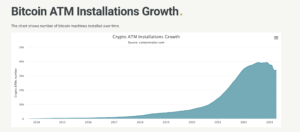
With the number of Cryptocurrency ATMs projected to reach 34,000 in 2023 worldwide across 80+ countries, it’s clear that these machines are becoming an essential part of the cryptocurrency ecosystem. 84% of the Crypto ATMs are located within the United States according to Coin ATM Radar. And, as the market expands, kiosk operators are working to distinguish themselves from online exchanges and other large retail platforms by providing easy access and responsive customer support.
Bitcoin ATMs also serve as a bridge between the digital and physical worlds, allowing users to buy cryptocurrencies with cash or vice versa. This makes them a valuable retail purchasing option for those who prefer to transact in-person, rather than online.
The Future of Crypto Kiosks
As we celebrate National Bitcoin ATM Day, it’s essential to recognize the potential these machines hold for driving further cryptocurrency adoption. By offering a frictionless, secure, and compliant way to buy and sell cryptocurrencies, Bitcoin ATMs are paving the way for a more inclusive financial future.
For those interested in starting, expanding, or learning more about AML compliance related to crypto kiosk operation, consider signing up for a free consultation with BitAML. As the industry continues to evolve, expert guidance is invaluable in navigating the complex regulatory landscape. Or dive into our in-depth crypto AML compliance education videos on YouTube.
In Conclusion
National Bitcoin ATM Day serves as a reminder of the remarkable growth and evolution of crypto kiosks since their inception. With their strong compliance features and expanding accessibility, Bitcoin ATMs are poised to play a critical role in the future of cryptocurrency adoption. As we look forward to the continued growth and innovation in this space, the celebration of National Bitcoin ATM Day reminds us of the humble beginnings of an industry on the verge of revolutionizing the financial world.